Official Reference
Open official site ISO/IEC 27001 & 27002
Management system and information security controls
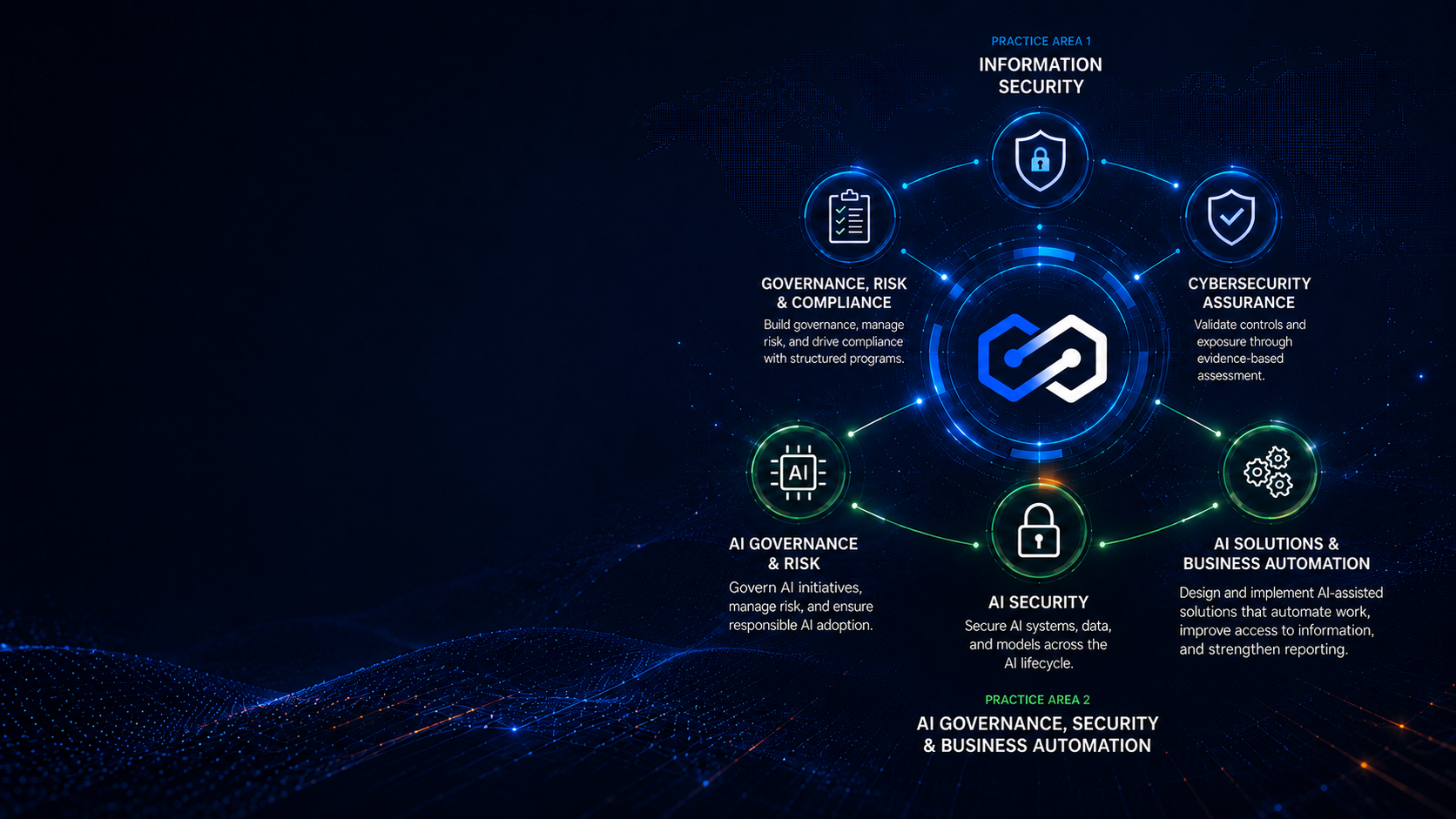
Browse information security, cybersecurity, privacy, AI governance, and AI security references used to shape DTXI advisory, assurance, and implementation work.
Frameworks may define requirements, guidance, control outcomes, risk practices, or testing methods. Applicability depends on scope, jurisdiction, contracts, sector, and the assurance objective. External links open official publisher sites.
Governance, risk, controls, audit, and management-system references.
Management system and information security controls
Information security risk management
Cybersecurity outcomes and organizational profiles
Risk-based control selection and authorization
Prioritized safeguards for common cyber risks
Technical references used to shape testing, architecture review, and control validation.
Structured web application security testing guidance
Common API security risks and mitigations
Cloud control framework and shared-responsibility mapping
Privacy risk management and organizational outcomes
Management-system, risk, threat, and application-security references for AI adoption.
Govern, map, measure, and manage AI risk
AI management system requirements
Guidance on AI risk management
Common security risks in LLM-enabled applications
Knowledge base of adversarial threats to AI systems
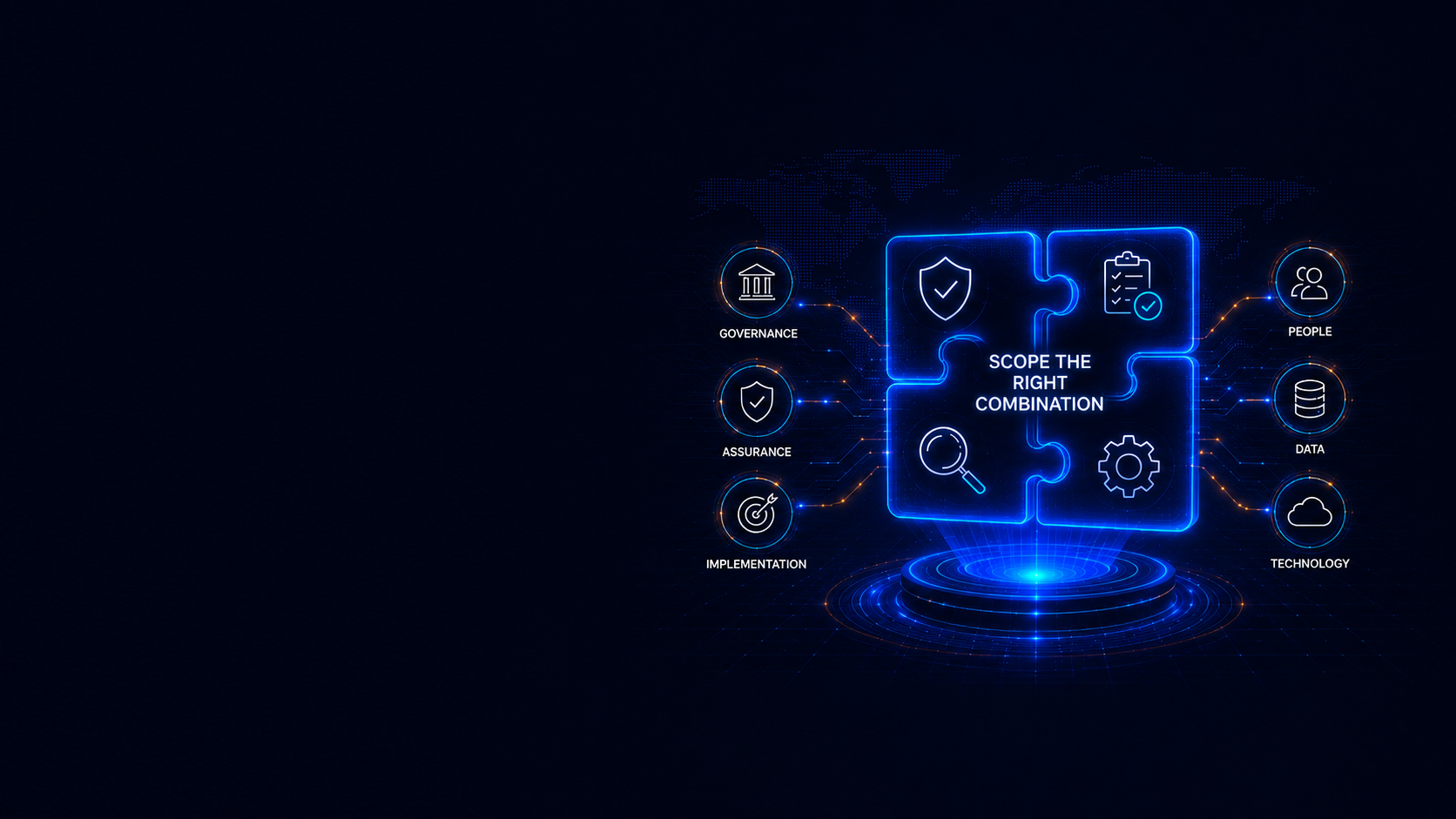
DTXI uses framework alignment to support decisions—not to produce unnecessary parallel programs.
Confirm applicable obligations, stakeholder expectations, and voluntary references.
Translate requirements into the organization’s scope, systems, data, and operating model.
Reuse common controls and evidence across compatible requirements.
Assign ownership, cadence, evidence, exceptions, and improvement actions.